The Art of the Short Note
Why three honest lines beat a full page
There's a particular anxiety that strikes the moment you open a card. A feeling that the white space demands to be filled. That more words mean more feeling. That brevity is somehow rude.
It isn't.
Brevity, done right, is the most generous thing you can offer someone.
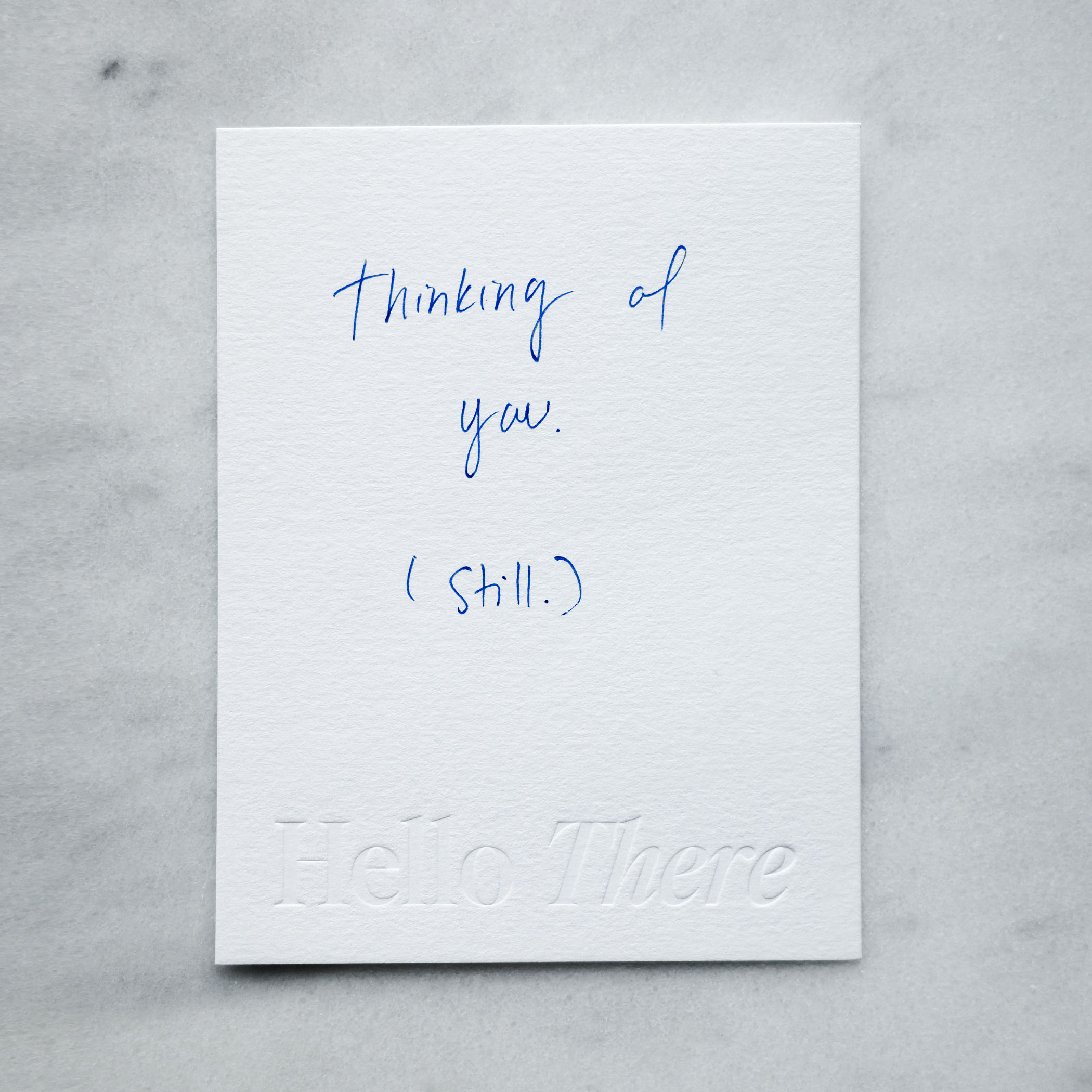
Think about the notes you remember. Not the long ones — the ones that were three lines and hit you in the chest. "I'm so glad you exist." "That thing you did was brave and I saw it." "Thinking of you today for no reason."
There's nowhere to hide in a sentence like that. No filler softening the edges, no pleasantries providing cover. Just the thing itself, standing there.
That's what a short note does. It refuses to dilute.
The white space around your words isn't what you didn't say. It's what gives what you said room to breathe.
Long messages have their place. Letters are beautiful. But there's a specific power in a note that says only what it means. The reader isn't scanning for the important part — every word is the important part. There's no warm-up paragraph to skip. No sign-off performing closeness. Just contact.
The Japanese have a concept — ma — the meaningful pause, the space between. It's not emptiness. It's the silence that gives the sound its shape. A short note works the same way. The white space around your words isn't what you didn't say. It's what gives what you said room to breathe.
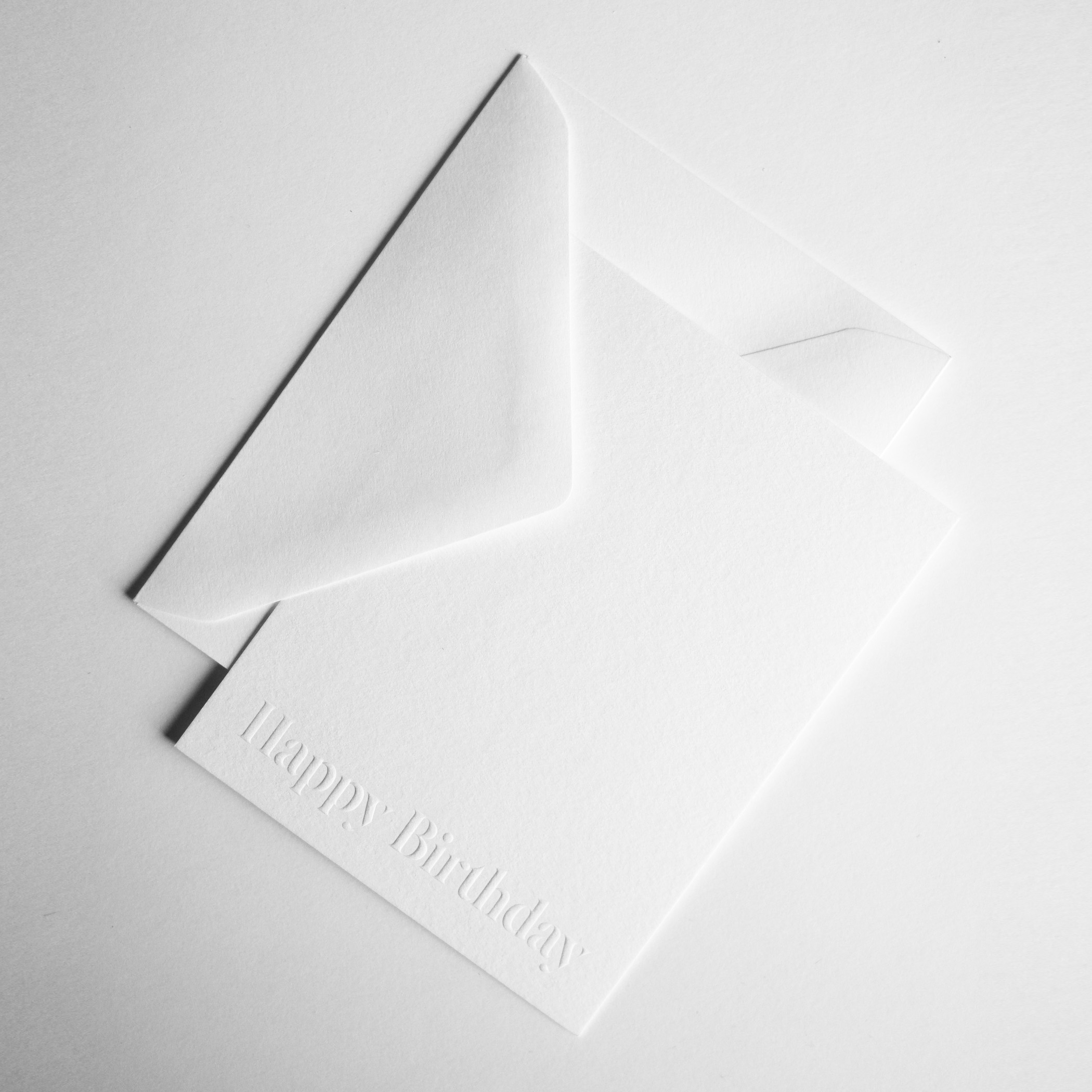
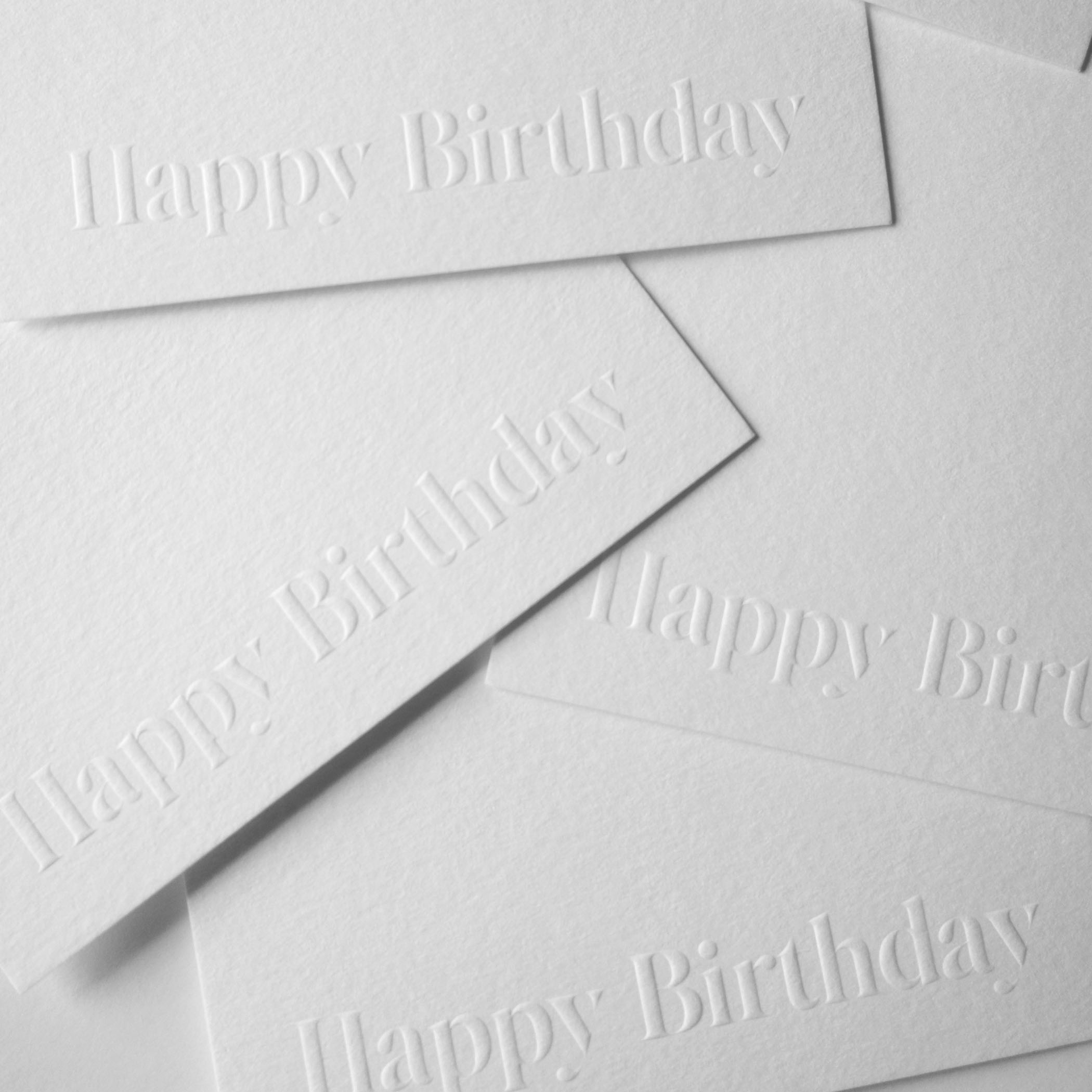
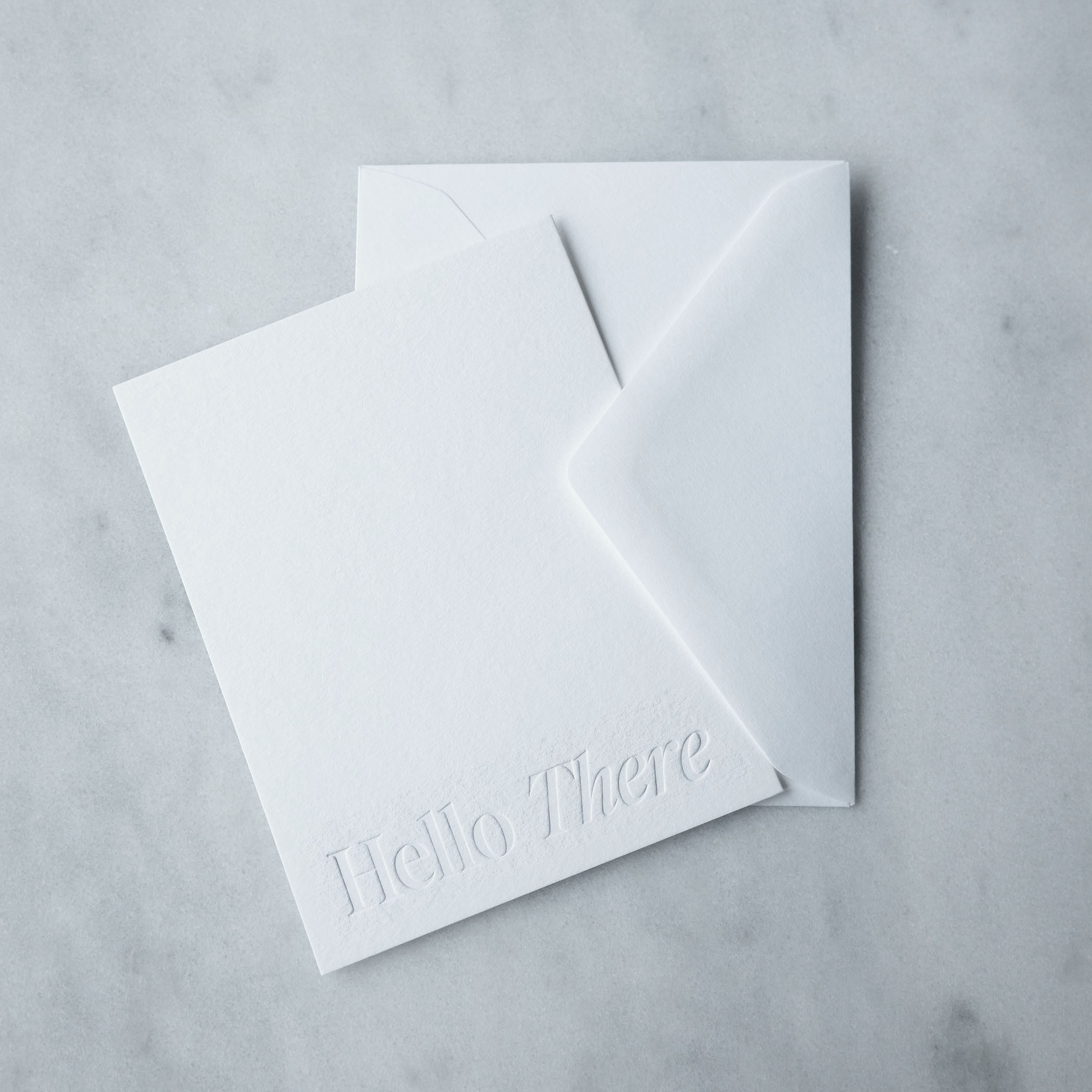
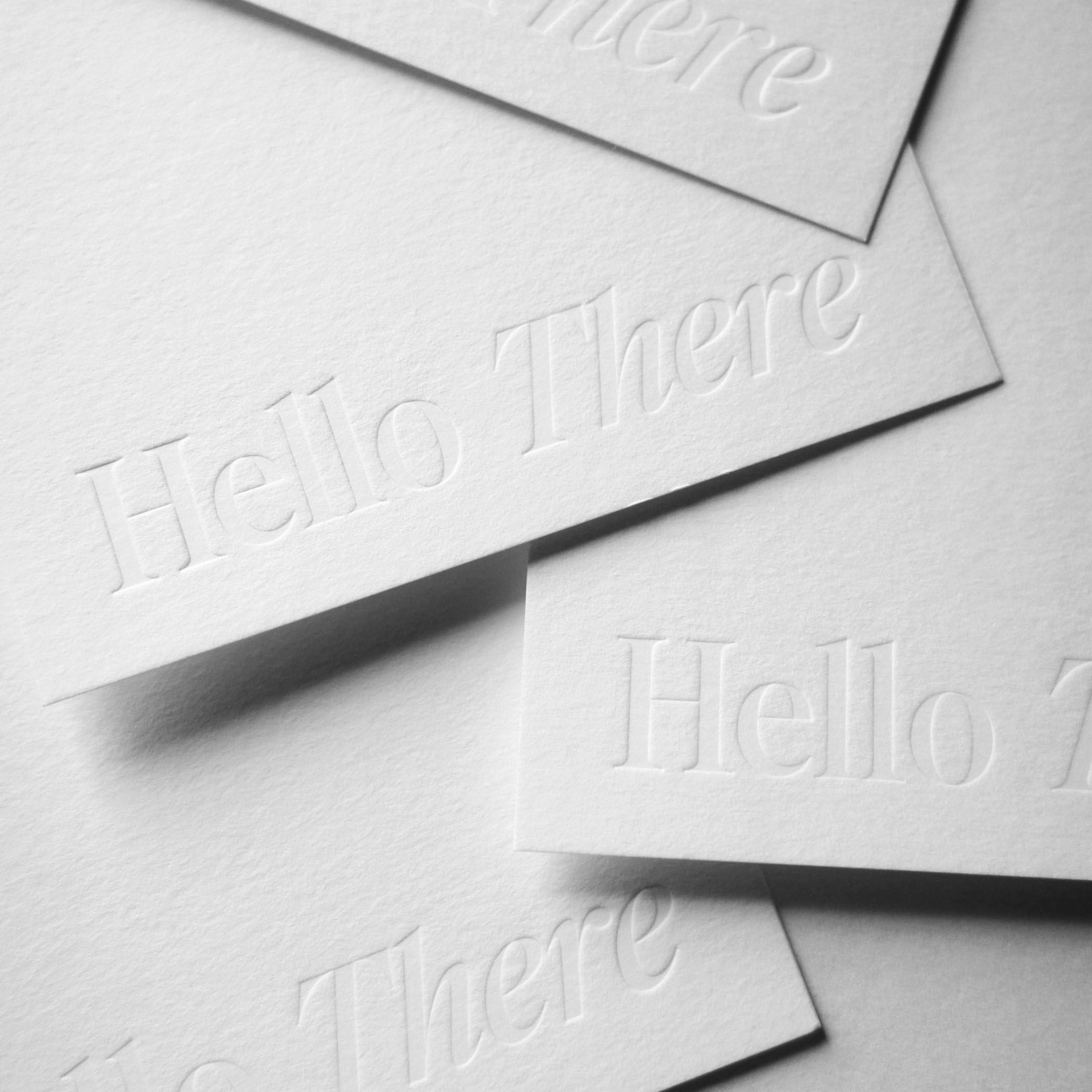
And there's something about a card specifically that rewards this. A card is already a physical object someone holds in their hand. It's already intimate. The paper is already speaking — its weight, its texture, the fact that it arrived through a letterbox and not a server. By the time someone reads your words, the medium has already done half the work.
You don't need to do the rest. You just need to do your part.
Your part is one true thing. Not the cleverest version of it. Not the most poetic. The truest. The sentence you'd say if you had ten seconds and nothing to prove.
Write that. Just that. Then stop.
The discipline of stopping is what separates a note from a message. A message keeps going because it can. A note stops because it's finished. Because the thing has been said and anything more would be for you, not for them.
Three lines. The right three lines. That's not less than a letter. It might be more.