What to Write When You Don't Know What to Say
Because the blank space of the card is the hardest part
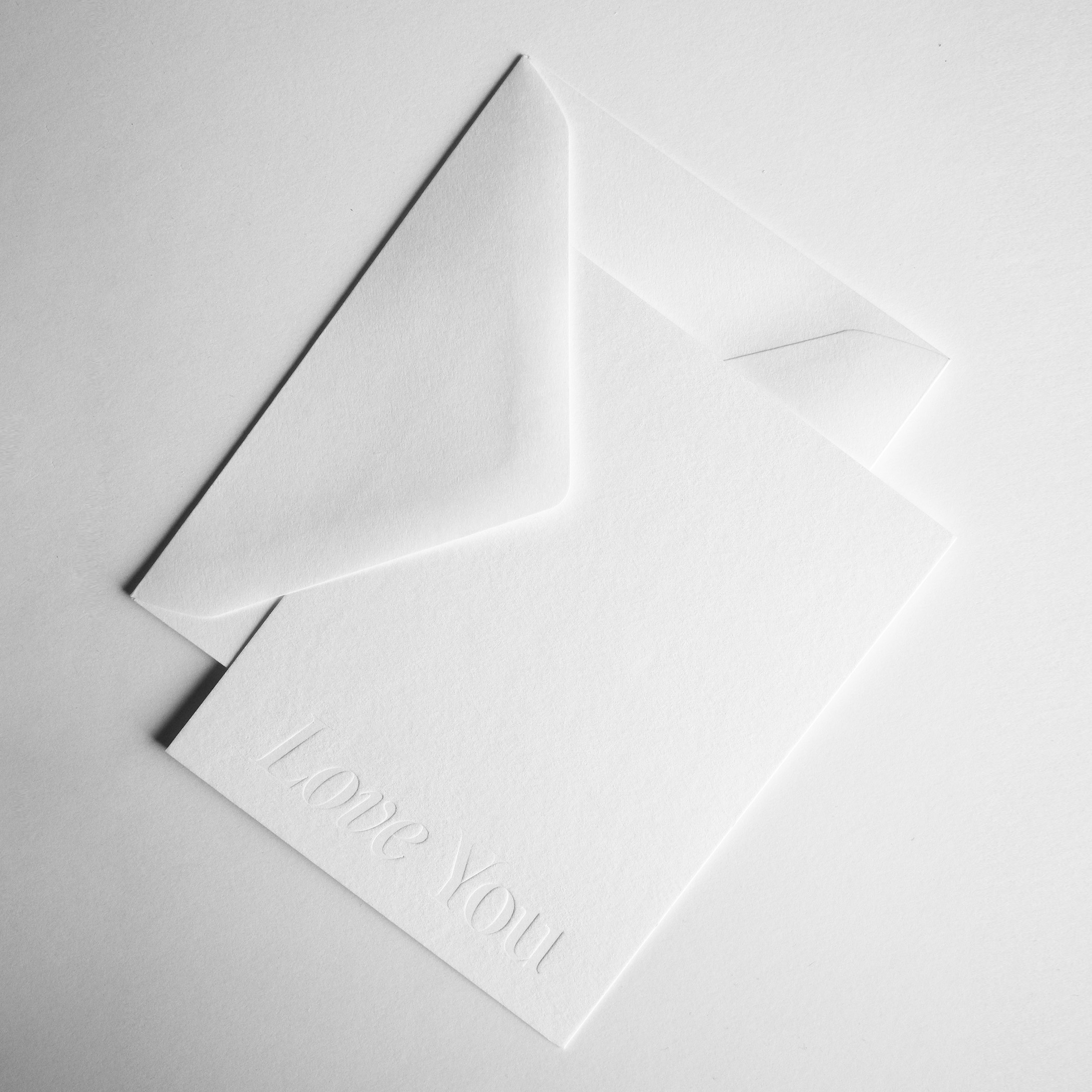
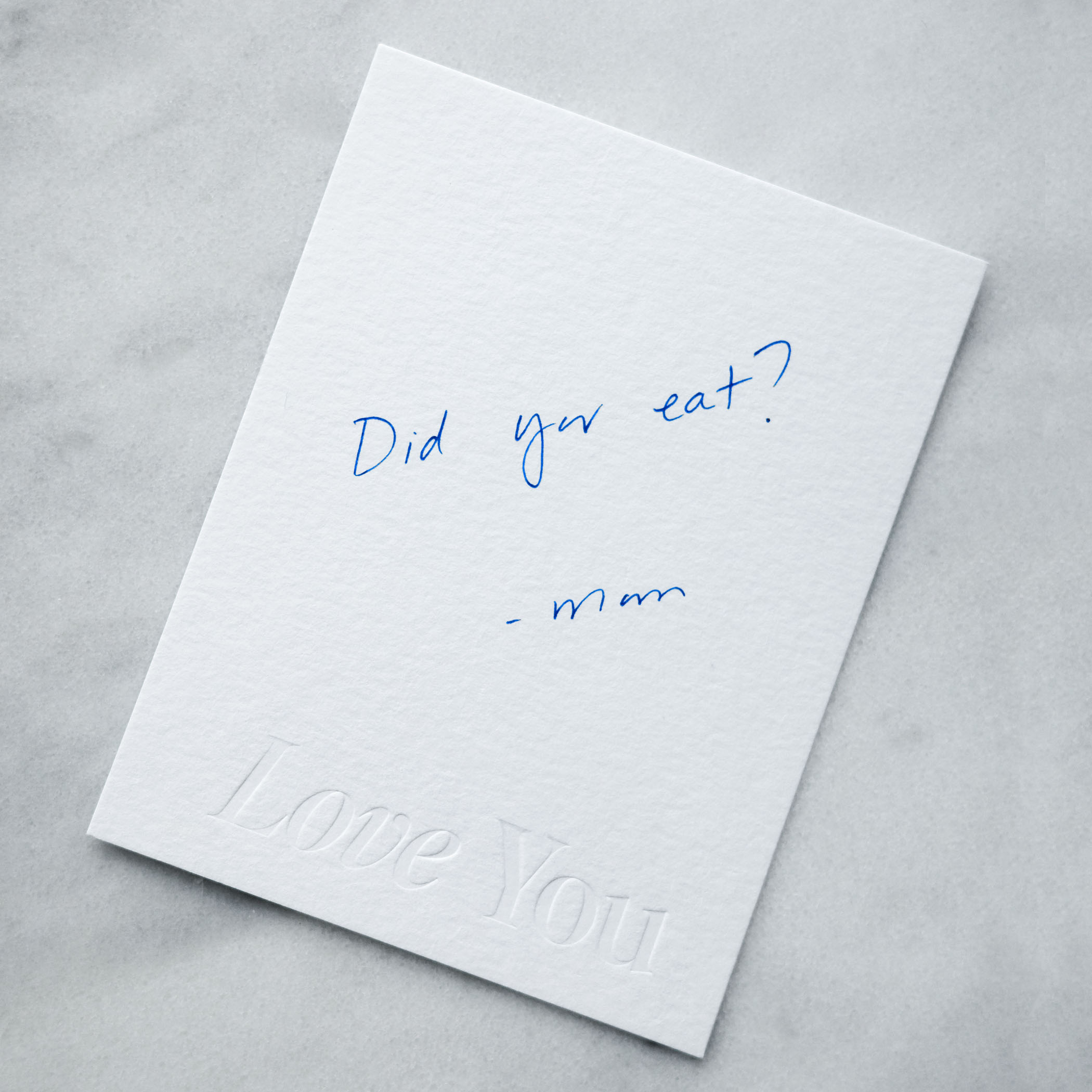
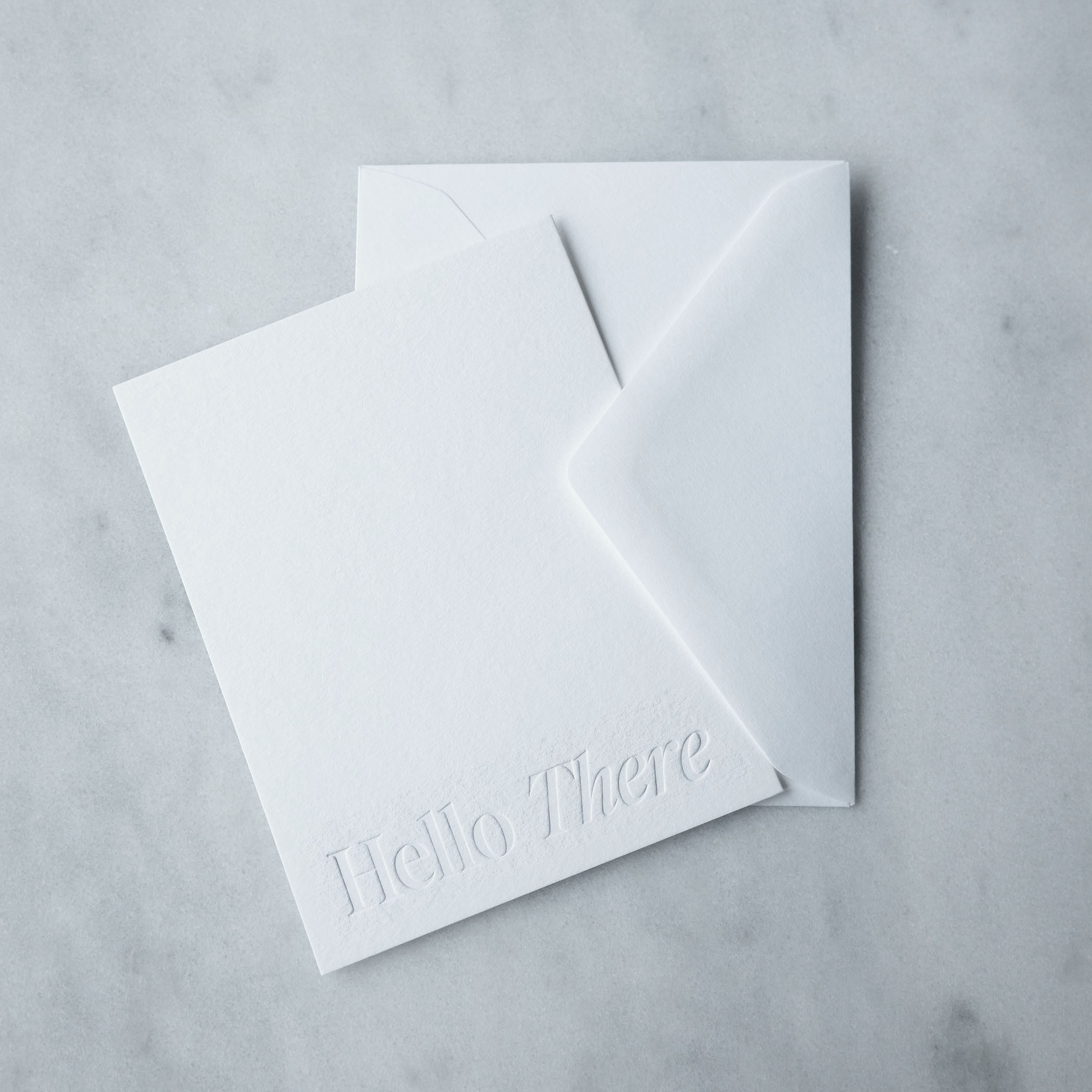
You bought the card. You meant it when you picked it out. And now it's sitting open on the table and you're holding a pen like it's a minor emergency.
The blinking cursor has nothing on a blank card. At least a screen lets you delete without evidence. Here, it's just you, ink, and the quiet pressure of getting it right.
So let's take that pressure off.
The secret to a good note isn't eloquence. It's specificity. The worst cards say everything ("Wishing you all the best on your special day!"). The best ones say one true thing.
For thank yous:
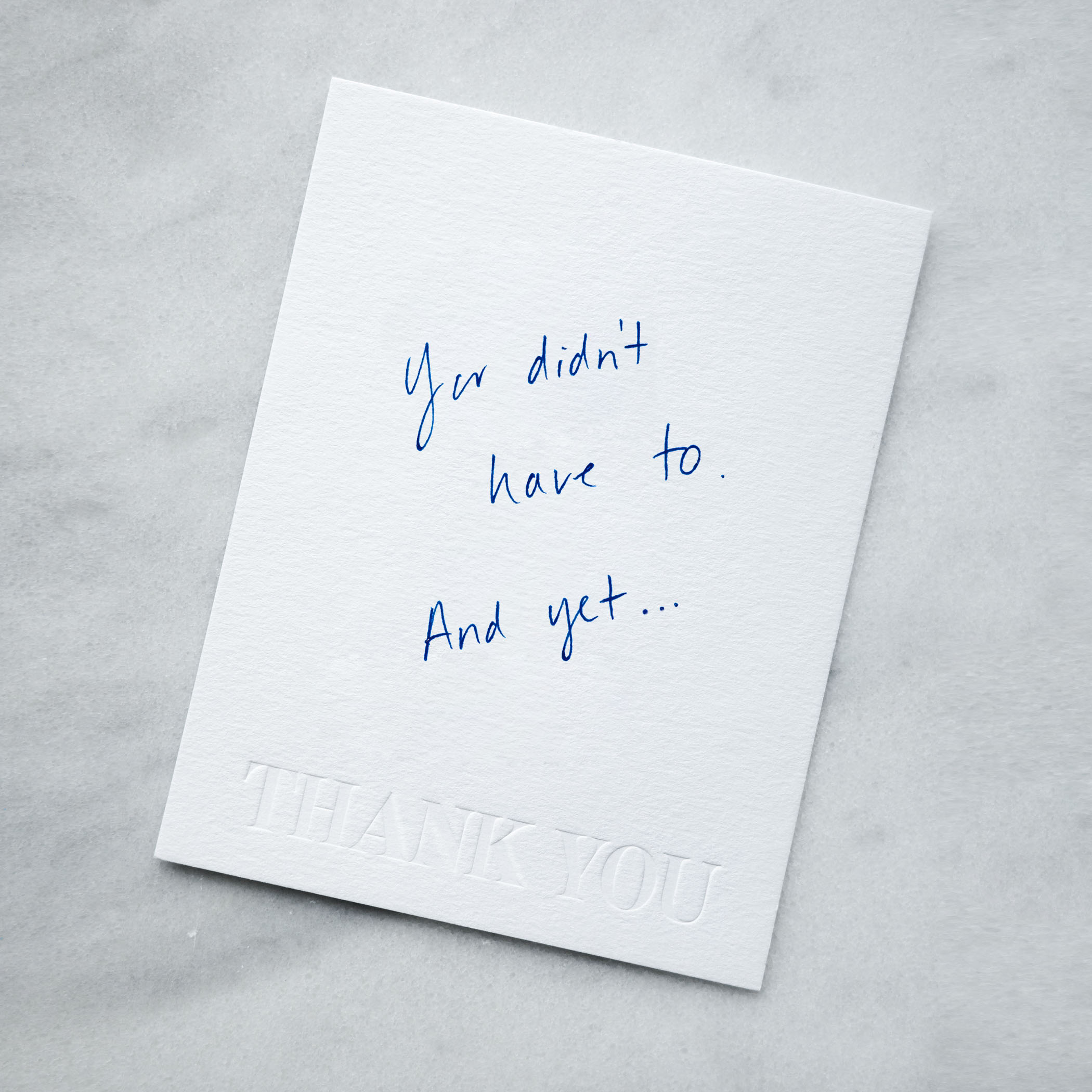
Don't thank them generally. Thank them for the specific thing. Not "Thanks for dinner" but "That rigatoni was absurd and I've been thinking about it since Tuesday." The more precise, the more it lands. You're telling them: I was paying attention.
For condolences:
This is where people freeze most, and understandably. Here's what helps: say their name. Say the name of the person they lost. Don't reach for silver linings. "I don't have the right words, but I loved the way Margaret told a story and I know you did too." That's enough. That's more than enough.
For congratulations:
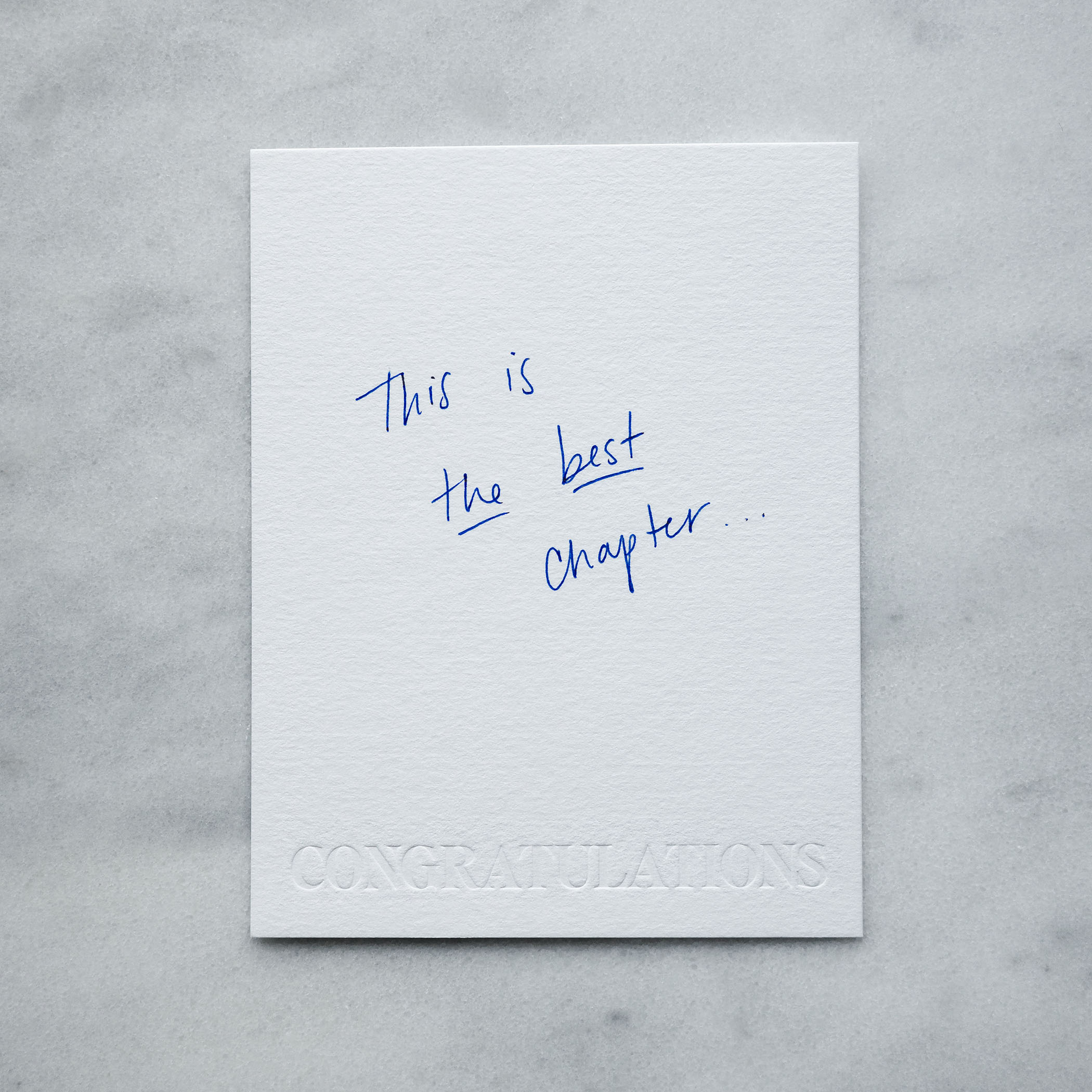
Skip the exclamation marks. Say what you actually see. "You worked for this quietly and it shows" means more than "So proud of you!!!" Pride is better expressed at speaking volume.
The real barrier was never not knowing what to say. It was the fear of not saying it perfectly.
For the just-because note:
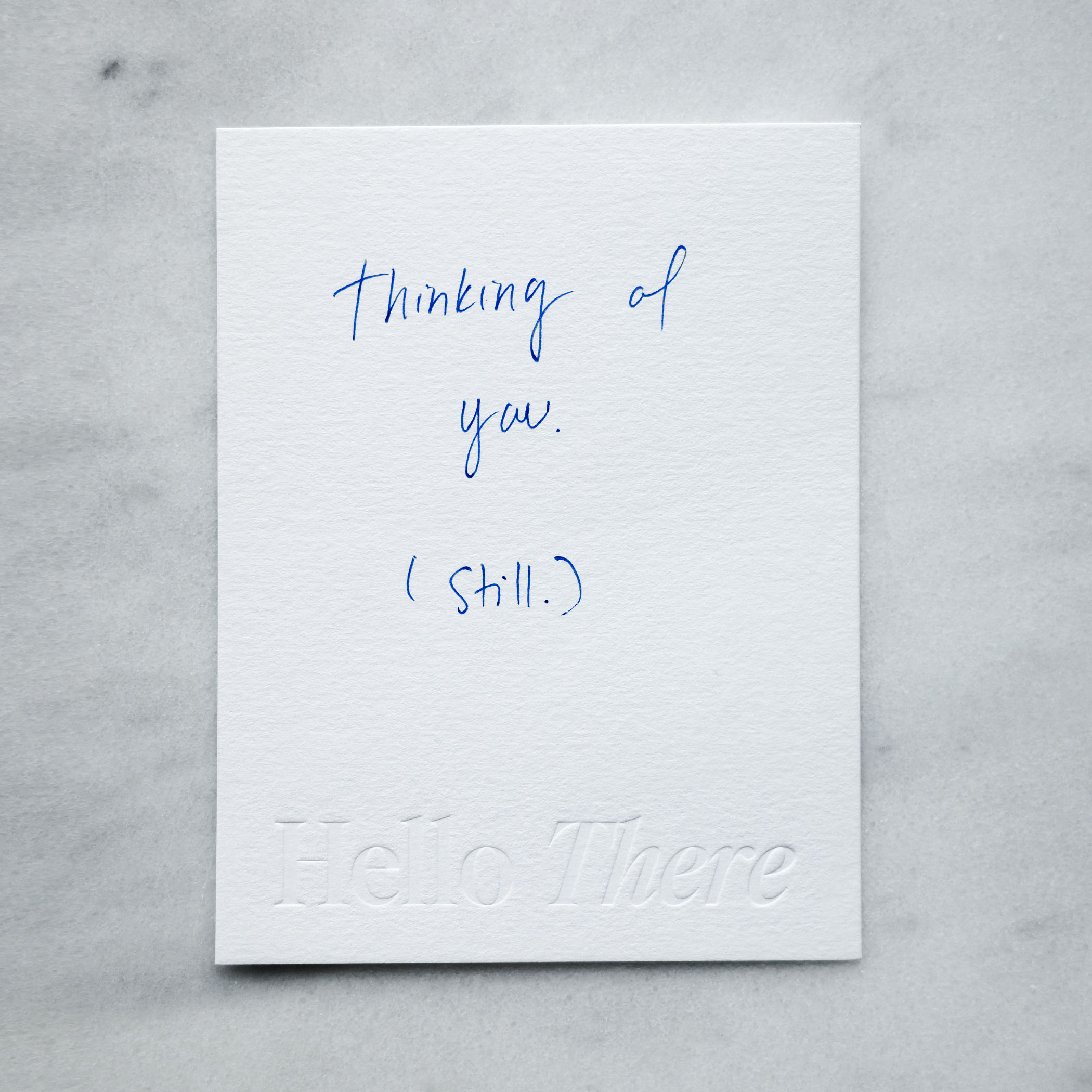
The hardest to start, the most memorable to receive. You don't need a reason. "I was walking past that café where we spent four hours solving nothing and I wanted you to know that afternoon still makes me laugh." Done. That's a whole card.
For apologies:
Short. No qualifiers. "I was wrong about what I said on Saturday and I'm sorry" is complete. The card itself — the act of writing it, sending it — is doing half the work. Let it.
A few things that always help:
Use their name. One specific memory or detail beats ten lines of warmth. End when you've said the thing — don't pad it with pleasantries on the way out. And your handwriting doesn't need to be good. It needs to be yours.
The real barrier was never not knowing what to say. It was the fear of not saying it perfectly. But a card that says one honest, specific thing — even clumsily — will outlast every polished message in someone's inbox.
Pick up the pen. You already know what to write.